
Introduction
The release of God of War Ragnarök marked a major milestone for modern action-adventure games. Developed by Santa Monica Studio, the game concluded the Norse saga that began with God of War (2018). While Ragnarök received widespread praise for its storytelling, character development, combat depth, and cinematic presentation, one design decision sparked considerable discussion among players: the playable Atreus sections.
In earlier games, Kratos was always the central playable character. Even in God of War (2018), Atreus served mainly as a companion supporting Kratos in combat and story progression. However, Ragnarök frequently shifts gameplay control from Kratos to Atreus. These segments are longer, more narrative-focused, and often slower-paced compared to Kratos's intense combat sections.
This article examines a specific issue in God of War Ragnarök: how the Atreus gameplay segments affect the pacing, player immersion, and narrative structure of the game. While these sections deepen the story and expand the world, they also interrupt the momentum of Kratos’s journey, creating mixed reactions among players.
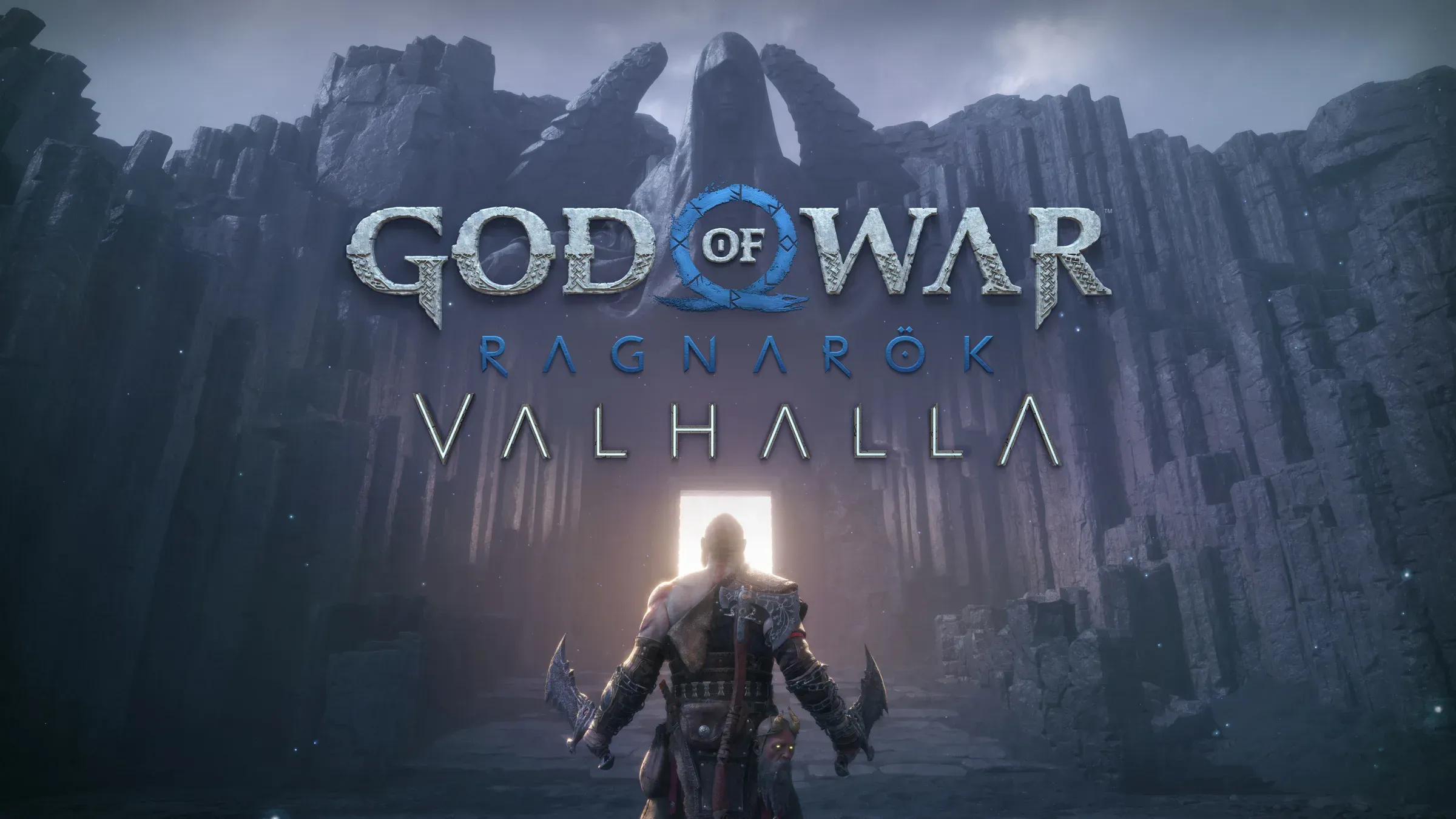 The narrative role of Atreus in Ragnarök
Atreus is no longer simply a companion in Ragnarök. Instead, he becomes a central protagonist with his own storyline, motivations, and decisions. The developers intentionally designed his character arc to parallel Kratos’s journey, showing how father and son struggle with destiny and responsibility in different ways.
The revelation that Atreus is Loki plays a crucial role in shaping his story. As Loki, he carries a destiny tied to the fate of the gods and the coming Ragnarök. This knowledge pushes Atreus to explore the Nine Realms independently, often making choices that conflict with Kratos’s cautious approach.
Narrative themes in Atreus gameplay
- Identity and self-discovery
- Conflict between destiny and free will
- The tension between trust and independence
- Growth from child to hero
By allowing players to control Atreus directly, the game emphasizes his emotional journey rather than presenting it through dialogue alone.
Why Santa Monica Studio introduced playable Atreus sections
From a design perspective, playable Atreus segments served several purposes. First, they provided narrative variety. The developers wanted players to see the world through a younger and more curious perspective.
Second, these sections allowed the game to introduce new locations and characters that Kratos might not normally encounter. Atreus interacts with figures such as Angrboda and explores hidden areas connected to the giants’ history.
Finally, the developers aimed to strengthen the emotional bond between Kratos and Atreus. By experiencing both perspectives, players understand why the two characters clash during parts of the story.
Developer goals for Atreus gameplay
- Expand the worldbuilding of the Nine Realms
- Develop Atreus as an independent protagonist
- Provide narrative contrast to Kratos’s journey
- Introduce new characters and mythological elements
The pacing difference between Kratos and Atreus gameplay
One of the most noticeable differences in Ragnarök is the pacing between the two characters. Kratos sections are fast, brutal, and combat-heavy. Players face intense battles, powerful bosses, and large-scale encounters.
In contrast, Atreus gameplay tends to be slower and more exploration-driven. These segments emphasize dialogue, puzzles, and character interactions rather than large combat encounters.
While this contrast helps build narrative depth, it can also disrupt the flow of gameplay. Players who expect continuous action may feel that Atreus segments slow the overall momentum of the story.
How Atreus gameplay changes the combat style
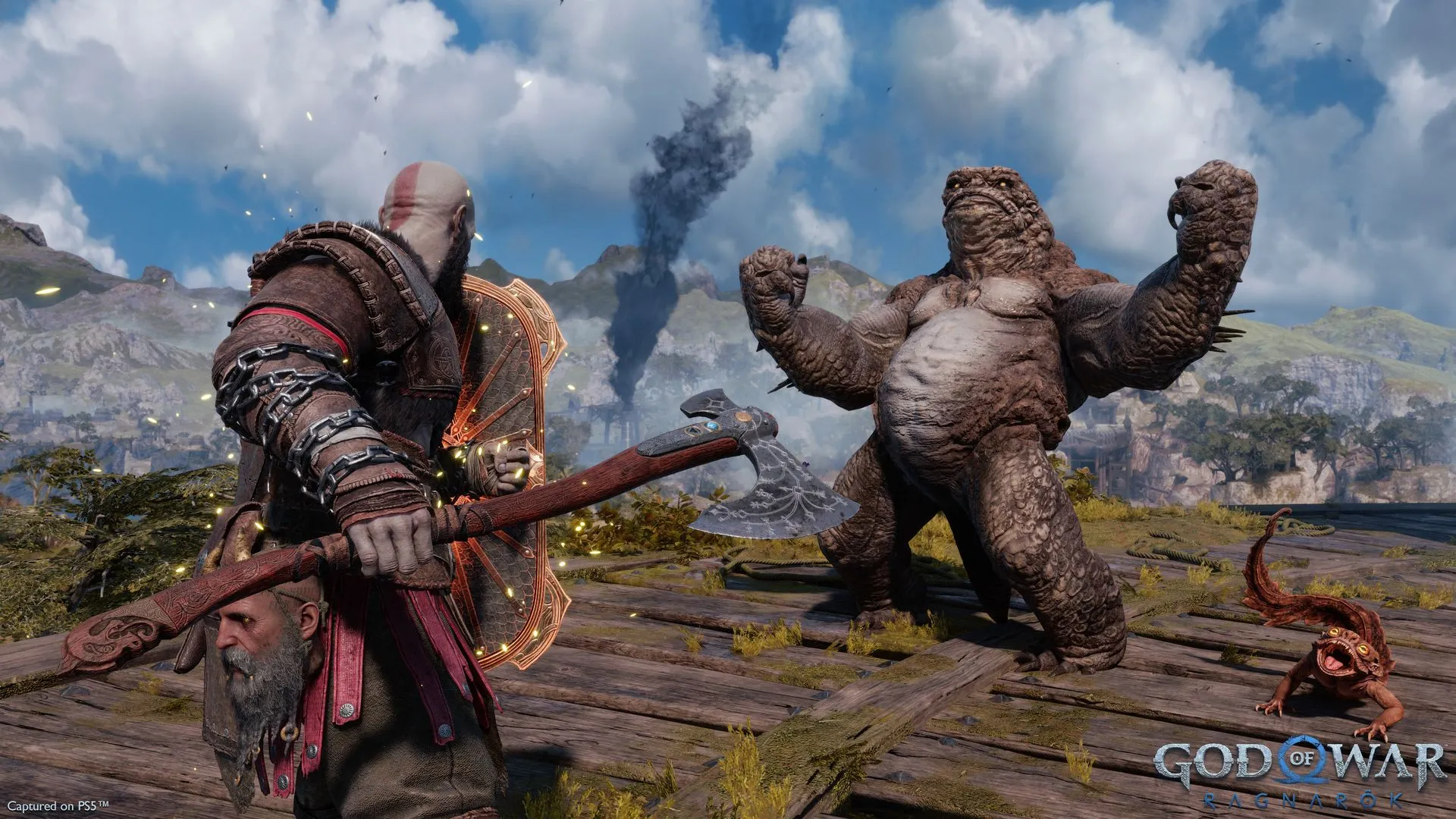
Atreus’s combat mechanics differ significantly from Kratos’s brutal melee approach. Instead of heavy weapons like the Leviathan Axe or Blades of Chaos, Atreus relies on agility, bow attacks, and magical abilities.
Key combat differences
Kratos combat style:
- Heavy melee attacks
- High damage output
- Brutal finishing moves
Atreus combat style:
- Ranged bow attacks
- Faster movement and dodging
- Magical summoning abilities
This difference creates gameplay variety, but some players feel the combat depth of Atreus is less satisfying compared to Kratos’s powerful abilities.
The importance of the Ironwood chapter
One of the most controversial Atreus segments occurs in the Ironwood chapter. This section introduces Angrboda and explores the hidden history of the giants. Narratively, it is one of the most important parts of the game.
The Ironwood chapter reveals crucial information about prophecy, destiny, and Loki’s role in Ragnarök. It also provides emotional context for Atreus’s internal struggles.
However, the chapter is lengthy and slower-paced, featuring exploration, dialogue, and environmental storytelling. Some players praised the emotional depth, while others criticized the extended gameplay interruption.
Character development through Atreus perspective
Despite pacing criticisms, the Atreus sections significantly improve character development. Players witness his doubts, fears, and hopes directly rather than only hearing them in conversation with Kratos.
Through these moments, Atreus evolves from a curious child into a character willing to challenge fate. His decisions shape the outcome of multiple events in the story.
This perspective also humanizes Kratos, as players understand the emotional distance forming between father and son.
Expanding Norse mythology through Atreus
Another major advantage of Atreus gameplay is the expansion of Norse mythology within the game world. Through his journey, players encounter giant culture, hidden prophecies, and deeper lore about Ragnarök.
The developers used Atreus to introduce new mythological concepts that would feel unnatural if delivered through Kratos’s perspective alone.
Mythological elements explored
- The hidden legacy of the giants
- Prophecies surrounding Loki
- Relationships between gods and giants
- Alternative interpretations of Ragnarök
These elements enrich the game’s storytelling and broaden its narrative scope.
 Player reactions and community debate
The Atreus gameplay segments sparked significant debate within the gaming community. Many players appreciated the emotional storytelling and world-building.
Others felt that these segments interrupted the action-heavy pacing expected from a God of War game.
Common player opinions
Positive reactions:
- Deeper storytelling
- Expanded mythology
- Strong character development
Negative reactions:
- Slower pacing
- Less satisfying combat
- Long narrative sections
This divide highlights the risk developers take when experimenting with narrative-driven gameplay.
The balance between storytelling and gameplay
God of War Ragnarök attempts to balance cinematic storytelling with engaging gameplay. The Atreus segments demonstrate the developers’ willingness to prioritize narrative depth over constant action.
While this approach may not appeal to every player, it reflects the evolving identity of the God of War series. The franchise has moved from pure action spectacle to a more mature and story-driven experience.
The Atreus gameplay sections represent a key part of that transformation.
What Ragnarök teaches about narrative experimentation
The decision to include playable Atreus chapters shows how modern games are becoming more experimental with storytelling techniques.
Instead of relying on a single protagonist, Ragnarök uses multiple perspectives to explore its themes of destiny, family, and change.
This approach allows for richer storytelling but also requires careful pacing to maintain player engagement.
Future games may refine this balance by integrating multiple playable characters more seamlessly into the overall gameplay flow.
Conclusion
The Atreus gameplay sections in God of War Ragnarök represent one of the game’s most ambitious narrative experiments. By allowing players to control Atreus, the developers expanded the world, deepened the story, and explored themes of identity and destiny from a new perspective.
However, these sections also altered the pacing of the game, creating a divide among players. While some appreciated the emotional storytelling and character development, others felt the slower gameplay interrupted the intense momentum of Kratos’s journey.
Despite the mixed reactions, the Atreus segments highlight the evolving direction of the God of War franchise. Ragnarök proves that action games can embrace deeper narratives without losing their epic scale. The challenge moving forward will be finding the perfect balance between storytelling and gameplay intensity.